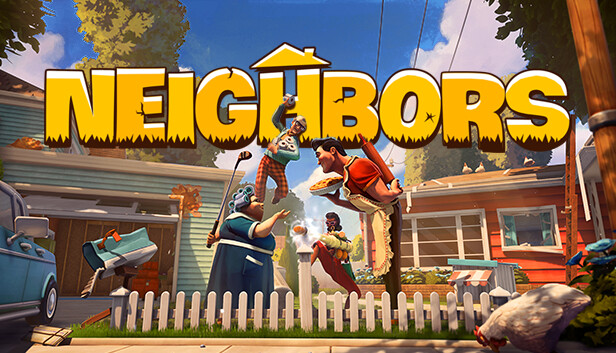
- Neighbors Suburban Warfare Steam charts track live and peak concurrent players on Steam.
- The game launched in April 2025 and sits in the positive review range on Steam.
- Cross-platform play across Steam, Xbox, PlayStation, and Switch spreads the playerbase beyond Steam data.
- Seasonal updates and patches cause visible spikes in concurrent player counts.
- Community events on Discord and Reddit often line up with chart surges.
What the Steam Charts Show
The Neighbors Suburban Warfare Steam charts measure how many people are playing the game on Steam at any given moment — the live concurrent player count, the 24-hour peak, and the all-time peak. For a multiplayer social stealth game from tinyBuild and Eerie Guest Studios, these numbers matter more than for most releases: matchmaking speed, lobby quality, and long-term content support all depend on an active playerbase.
Reading the charts requires context. Neighbors: Suburban Warfare launched in April 2025 as a cross-platform 5v5 multiplayer game, so a meaningful share of its community plays on Xbox, PlayStation, and Nintendo Switch rather than Steam. Steam charts therefore represent only one slice of the total population.
Steam charts only count Steam players. Because Neighbors: Suburban Warfare supports full cross-platform play, low Steam numbers do not equal a dead game — console lobbies and cross-play pools keep matchmaking healthy even when the Steam curve dips.
The typical pattern for a game like this follows three phases:
| Phase | Timeline | Chart Behavior |
|---|---|---|
| Launch surge | April 2025 | All-time concurrent peak, heavy review traffic |
| Settling period | Months 2–6 | Count stabilizes around a core multiplayer community |
| Seasonal swings | Ongoing | Spikes during new seasons, patches, and free-weekend events |
Player Count Trends & What Drives Them
Concurrent player counts for a live-service multiplayer title rarely move in a straight line. Instead, they respond to content drops, marketing moments, and community activity. For Neighbors: Suburban Warfare, three drivers stand out.
Season Updates
- New seasons add rewards and progression
- Returning players log in to grind passes
- Typically produces the largest chart spikes
Balance Patches
- Trap and gadget tuning reshapes the meta
- Lapsed players return to test changes
- Moderate, short-lived player bumps
Community Events
- Discord events and streamer coverage
- Free trials and discounts on Steam
- Introduce waves of new neighbors
Review sentiment also feeds the loop. The game has held a positive review rating on Steam since launch, which helps conversion during sales — players checking the store page during a discount see favorable scores and are more likely to jump in.
Compare the 24-hour peak against the current live count before drawing conclusions. A healthy multiplayer game shows a predictable daily wave — climbing into evening hours in major regions and dropping overnight. Erratic swings usually mean an event or patch just dropped.
How to Track the Charts Yourself
Open Tracking Sites
Use a Steam player-count tracking site and search the game by name, or go straight to the official Steam store page for live stats and review percentages.
Check Current vs. Peak
Note the live count, the 24-hour peak, and the all-time peak. The gap between current and daily peak tells you when the community is most active.
Read the Review Trend
On the Steam page, toggle recent reviews versus all reviews. A recent score holding steady or rising signals an actively supported game.
Cross-Reference Community Channels
Check the official Discord and the r/HelloNeighborGame subreddit for event announcements that explain sudden chart movements.
Time Your Sessions
Queue up during regional evening hours when concurrent counts peak — you get faster matchmaking and fuller 5v5 lobbies.
Bookmark both the Steam page and the community Discord. Official channels announce seasons, patch notes, and free-weekend events before they show up in chart data — giving you a heads-up on when the playerbase is about to spike.
Steam vs. Cross-Platform Population
Steam charts undercount the true Neighbors: Suburban Warfare community. The game ships on five platforms with cross-play enabled, meaning one shared matchmaking pool feeds from multiple storefronts.
| Platform | Cross-Play | Chart Visibility |
|---|---|---|
| Steam (PC) | Yes | Fully tracked on Steam charts |
| Xbox Series X|S / One | Yes | Not shown in Steam data |
| PS5 / PS4 | Yes | Not shown in Steam data |
| Nintendo Switch | Yes | Not shown in Steam data |
This is why gameplay health and Steam chart numbers can diverge. A cross-platform title can sustain fast 5v5 matchmaking even during a Steam trough, because console players fill the same lobbies.
If you see a low concurrent count on Steam and worry about queue times, test an actual match first. Cross-play means the effective matchmaking pool is much larger than any single platform's chart suggests.
Factors That Shape Long-Term Player Retention
For a multiplayer game a year and a half past launch, retention comes down to content cadence and social pull. Neighbors: Suburban Warfare has several structural advantages worth watching on the charts:
| Factor | Effect on Player Count | Evidence |
|---|---|---|
| Seasonal content | Strong recurring spikes | Season 1 rewards and progression tracks |
| Cross-platform play | Stabilizes matchmaking | Full cross-play across all five platforms |
| Low spec barrier | Widens the PC audience | GTX 960 minimum, 8 GB RAM, 10 GB storage |
| Franchise fandom | Steady baseline interest | Hello Neighbor community roots |
| Positive reviews | Better sale conversion | Positive rating range since April 2025 |
The low system requirements deserve special mention. A game that runs on a GTX 960 with 8 GB of RAM can reach budget-PC households that most modern multiplayer titles exclude — a quiet but real tailwind for long-term chart stability.
Track how each new season's peak compares to the previous one. Rising or flat season-over-season peaks indicate healthy retention; steadily shrinking peaks would suggest the content cadence needs a refresh.
Your Chart-Watching Checklist
Weekly Chart Review Routine:
- Check live count and 24-hour peak on tracking sites
- Compare recent Steam reviews against all-time score
- Scan Discord and Reddit for event or patch announcements
- Note season start dates to predict upcoming spikes
- Play during regional evening peaks for fastest queues
FAQ
Q: What are Neighbors Suburban Warfare Steam charts?
They track the number of concurrent players on Steam — live counts, daily peaks, and the all-time peak set around the April 2025 launch. They are the best public indicator of the game's PC playerbase activity.
Q: Do low Steam player counts mean the game is dying?
No. Neighbors: Suburban Warfare supports cross-platform play across Steam, Xbox, PlayStation, and Switch, so Steam charts only capture part of one shared matchmaking pool. Always test actual queue times before judging server health.
Q: When do Steam player counts spike?
Spikes typically follow new season launches, balance patches that rework traps or gadgets, free-weekend events, and Steam discounts. Community events on the official Discord often coincide with these surges.
Q: Where can I verify the current numbers myself?
Check any Steam player-count tracking site, or open the official Steam store page for the game, which displays live stats plus recent and all-time review percentages.