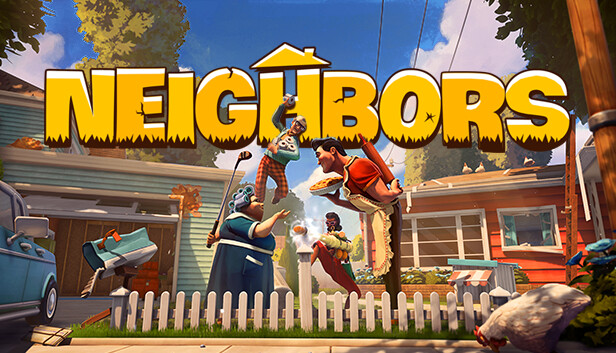
- Best team composition in Neighbors Suburban Warfare balances brawlers, a healer, and a flanker.
- Double Doreen comps excel at aggression but fall apart without sustain from Gramps.
- Kim's oil turret and trap spam create layered defense that is hard to push through.
- Kevin is a niche flank pick who shines on rooftops, not in open fights.
- Resource control decides more matches than raw character choice — contest construction sites early.
Why Team Composition Decides Matches
Neighbors Suburban Warfare is a 4v4 attack-and-defense game where two teams fortify suburban houses, farm supplies, and raid each other's essentials (bed, TV, fridge, toilet). Because each neighbor fills a distinct combat role, the best team composition is less about picking the "strongest" character and more about covering three needs: frontline pressure, sustain, and objective damage.
Matches are won through a simple loop: gather resources during the day, barricade and trap your house, then break into the enemy home to destroy their essentials before they destroy yours. A lopsided lineup — four brawlers, or four defenders — tends to lose the resource war or fail to close out raids, even when individual players win their duels.
| Role | Job on the Team | Best Fits |
|---|---|---|
| Brawler / Frontline | Run down enemies, hold mid, body-block raids | Doreen, Chad |
| Healer / Support | Pocket healing, medkit placement, fight sustain | Gramps |
| Area Denial | Turrets, traps, oil slicks, ranged poke | Kim, Louie |
| Flanker / Infiltrator | Roof access, back-door entry, distraction | Kevin, Mary Jean |
Before locking picks, ask one question: who heals, who breaks walls, and who watches the back door? If your squad cannot answer all three, your composition has a hole the enemy will exploit.
Character Overview and Ratings
Every neighbor in the roster brings a signature kit. Below is a practical rating based on how each character performs inside a coordinated four-stack.
| Character | Signature Kit | Strengths | Weaknesses | Rating |
|---|---|---|---|---|
| Doreen | Boxing punches, strong melee bat synergy | Highest close-range kill pressure, fast objective pressure after entry | Slow movement, kited by ranged kits | ★★★★★ |
| Gramps | Healer, medkits, mop healing | Pocket sustain flips fights, keeps raiders alive inside enemy homes | Low personal damage, needs protection | ★★★★★ |
| Chad | Vacuum ultimate, pulls enemies in | Great ultimate for grouping enemies, disruption | Ultimate feel is clunky without follow-up | ★★★★ |
| Kim | Wrench throw, deployable oil turret | Sustained area denial, oil turret generates constant pressure | Weak in open 1v1s | ★★★★ |
| Louie | Fireworks, explosive dive attacks | Ranged burst, demolition of barricades and doors | Effectively a suicide bomber — high risk | ★★★★ |
| Kevin | Rock throws, grappling hook, small hitbox | Roof access, sneaky infiltration, tiny silhouette | Very low damage, gets run down in open fights | ★★★ |
| Mary Jean | Lockpick tools, stealthy yard entry | Bypasses barricades, opens unattended doors | Rarely impactful in grouped fights | ★★★ |
Kevin is fun and his rooftop flanks look impressive, but he does very low damage. If your Kevin gets caught by two enemies — especially brawlers — he dies before help arrives. Only pick him when your team already has damage covered.
Top Team Compositions for 4v4
These are the lineups that consistently perform across day/night cycles and both attack and defense phases.
Balanced Standard
- Doreen — frontline brawler
- Gramps — pocket healer
- Kim — oil turret area denial
- Louie — fireworks burst and demolition
- Best all-around comp for most squads
Double Doreen Aggro
- Doreen x2 — relentless melee pressure
- Gramps — keeps both brawlers alive
- Kevin — flanks and opens back doors
- High risk, ends games fast when it works
Fortress Turtle
- Kim x2 — double oil turrets
- Gramps — sustain and medkits
- Louie — ranged defense and demo
- Wins by out-earning and out-lasting
The Balanced Standard is the recommended default. The pocket Gramps strategy is one of the strongest synergies in the game: a brawler with a dedicated healer wins almost every extended trade, and certain perks (like high-health damage boosts) become dramatically better when someone is keeping you topped off.
The Double Doreen Aggro comp specializes in running down isolated enemies and bursting through essentials once inside. Its weakness is the approach — without trap clearing or roof pressure, both brawlers can get stuck in barbed wire and bear traps.
The Fortress Turtle comp leans on Kim's oil turret spam and layered traps. It frustrates push-heavy teams, but you must still contest construction sites and supply crates, or the enemy simply out-economies you and buys sledgehammers, ladders, and catapults.
Teams that build passive income — oil wells, hen houses, and stolen supply crates — buy sledgehammers, ladders, and vans that break games open. Any composition needs at least one player focused on the economy each match.
Step-by-Step: Running Your Composition
Lock Roles Before the Match
Agree on picks with your team during the select screen. Remember the enemy can see your choices, so expect counter-picks — if they grab two brawlers, your Kim turrets and traps gain value.
Barricade Immediately
Spend early money on barricades for windows and doors before anything else. Assign one player as the dedicated builder so the rest can move to resources. Always close doors behind you — an open door is a free invasion route.
Contest Construction Sites
Send at least two players to the construction site at match start. Supplies unlock your shop tiers, and teams that win the supply war can afford sledgehammers, ladders, and turrets while you are still on hammers.
Defend at Night, Push at Dawn
Never attack at night — guard dogs will instantly kill intruders. Use night phases to stack bear traps, barbed wire, and oil turrets, then push the moment morning breaks with your full composition.
Breach and Burst Essentials
Use a crowbar or sledgehammer on doors, a ladder for roof entry, and converge on one essential at a time. The Gramps pockets the breacher while your brawler clears defenders. Ignore kills — destroyed essentials win games.
When attacking, pressure two entry points at once — one player at the front, three at the back. Defenders cannot cover both, and even a Kevin on the roof forces someone to peel away from the doors.
Match Strategy Checklist and Counter Tips
Beyond composition, several habits separate winning squads from losing ones. Work through this checklist every match:
Every Match Checklist:
- Barricade all windows and doors before the first day cycle ends
- Contest the construction site with at least two players
- Buy passive income: oil well or hen house
- Stack bear traps and barbed wire on essentials before nightfall
- Save the sledgehammer purchase for the coordinated dawn push
- Close every door behind you, on attack and defense
Common threats and how each composition answers them:
| Threat | Best Answer |
|---|---|
| Enemy brawler running down your back line | Gramps healing plus traps; never duel solo |
| Oil turret spam blocking your push | Bring a demolition item (saw, sledgehammer); ranged items are ineffective |
| Enemy Kevin camping your roof | Ladder up or catapult pressure; he is fragile once found |
| Bear trap clusters at doorways | Trigger from range or break with a tool before breaching |
| Delivery van / drive-by kills | Track the van's path and fight away from the road |
Perks that boost damage at high health are strong with a pocket Gramps and weak without one. If no one on your team is playing healer, unequip those perks — they actively hurt you in low-health fights.
FAQ
Q: What is the best team composition in Neighbors Suburban Warfare?
The most reliable lineup is Doreen, Gramps, Kim, and Louie. It covers frontline pressure, healing, area denial, and demolition, and it stays effective in every phase of the match. Double Doreen with a pocket Gramps is a strong alternative for aggressive squads.
Q: Is Gramps really necessary?
He is the strongest support in the game. A pocketed brawler wins extended trades, and medkits keep raiders alive deep inside enemy homes. Teams without a healer can still win, but they lose the long fights that decide raids.
Q: Is Kevin good in team play?
Kevin is a niche pick. His grappling hook and tiny hitbox make him excellent for roof flanks and opening back doors, but his damage is very low. Only run Kevin when your other three players already cover damage and healing.
Q: Why do we keep losing even with a good composition?
Most losses come from the economy, not the picks. If the enemy controls construction sites, steals supply crates, and builds oil wells, they simply buy better gear — sledgehammers, ladders, turrets, vans — and out-scale you. Assign someone to money-making every single match.